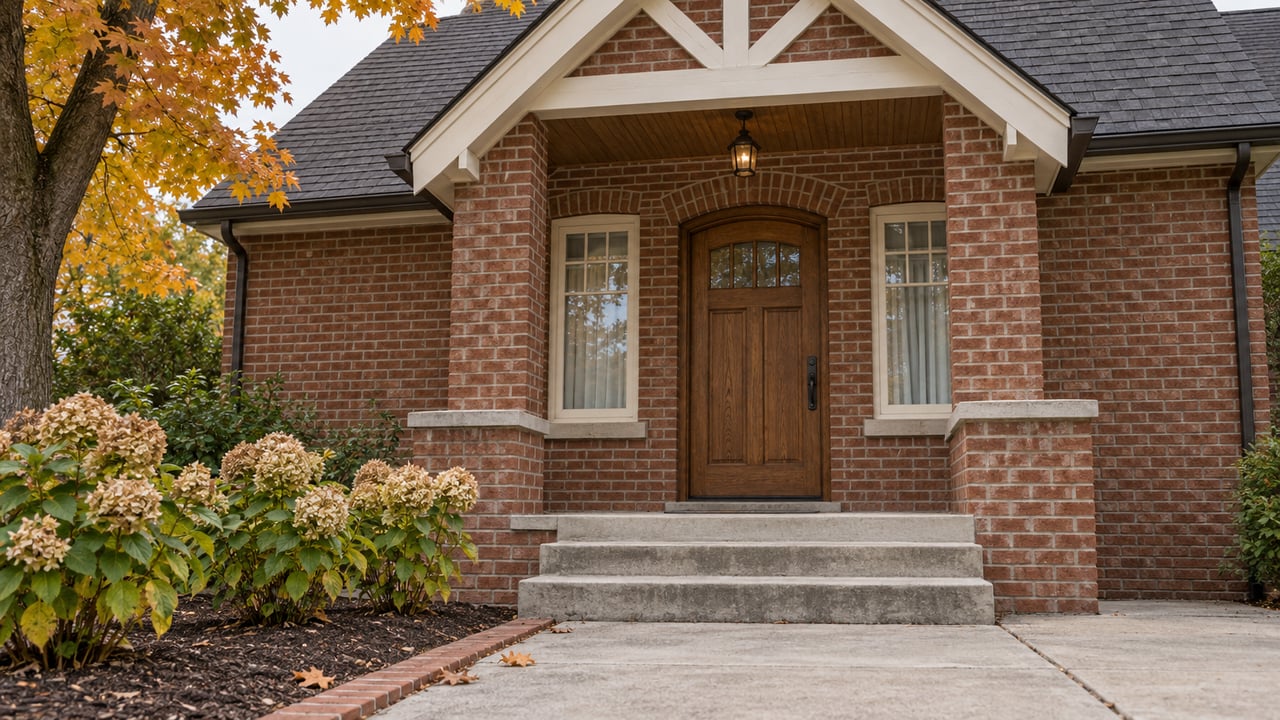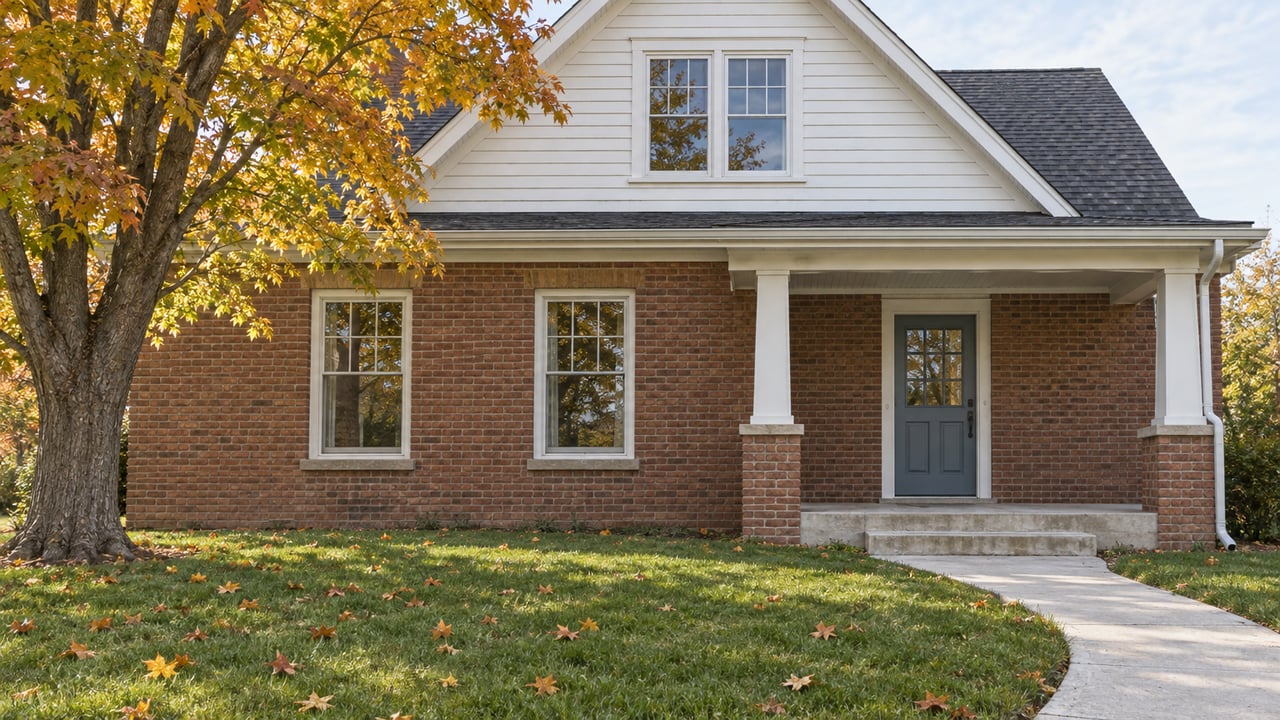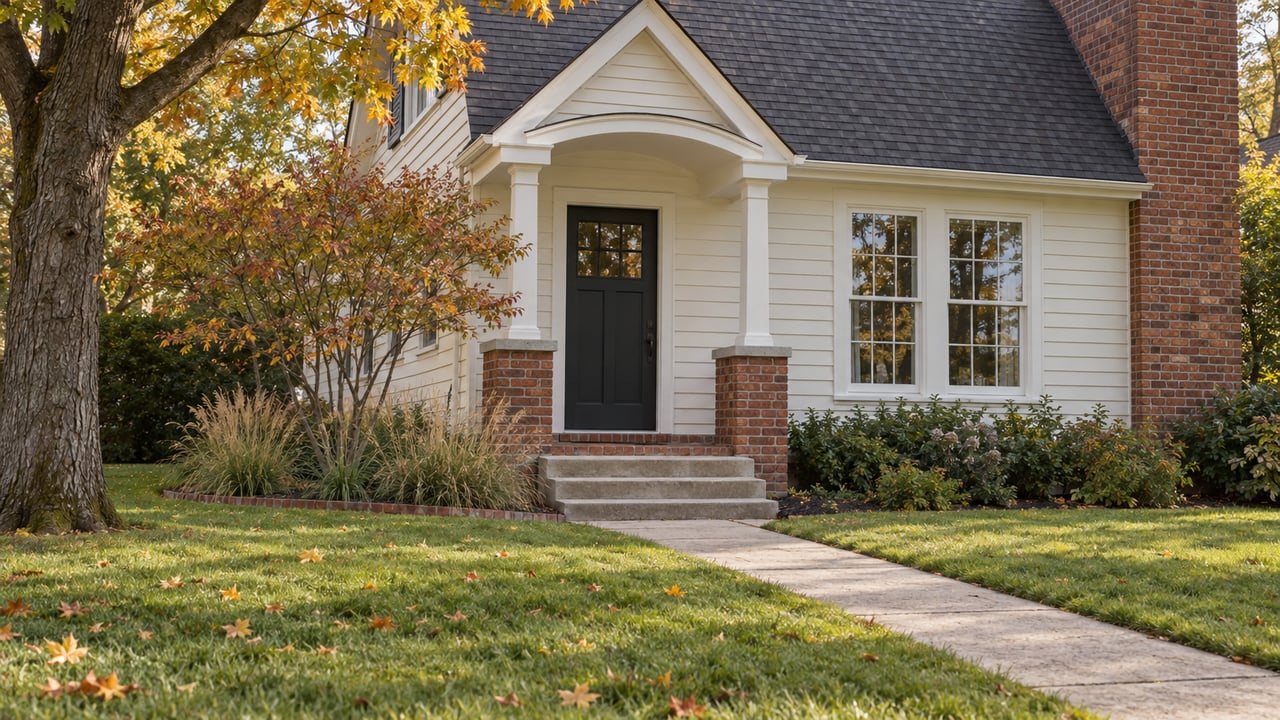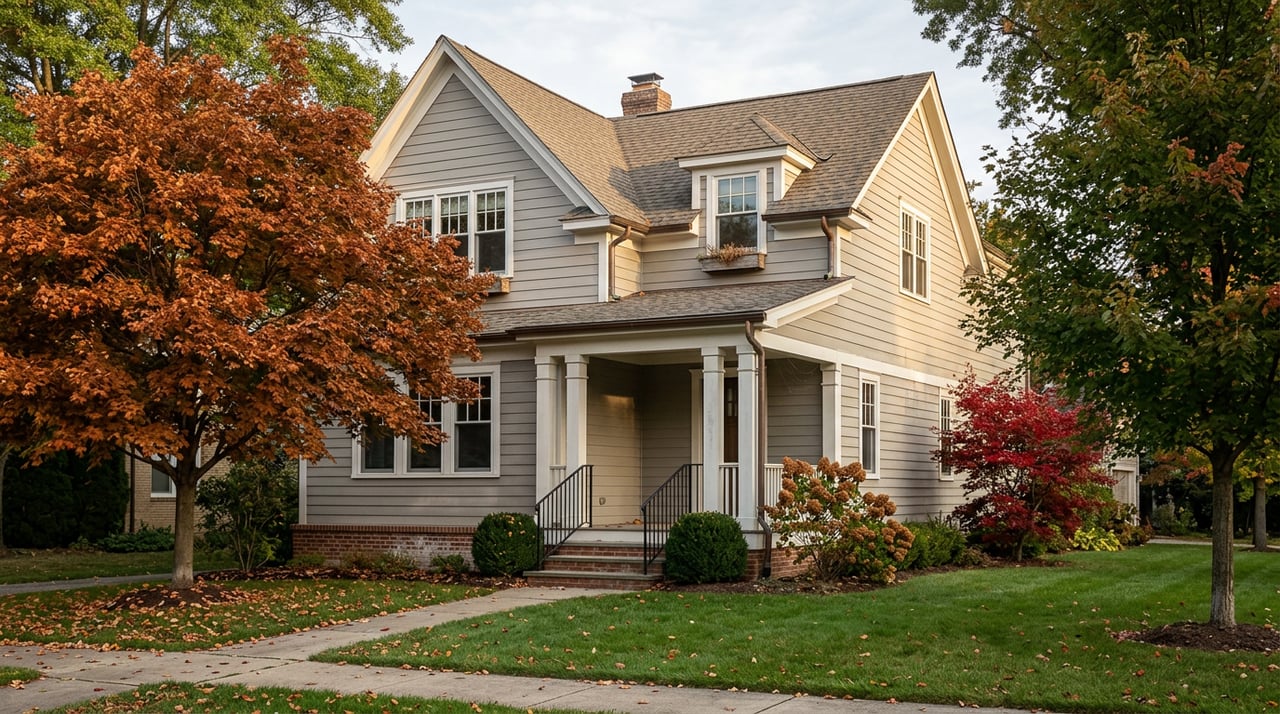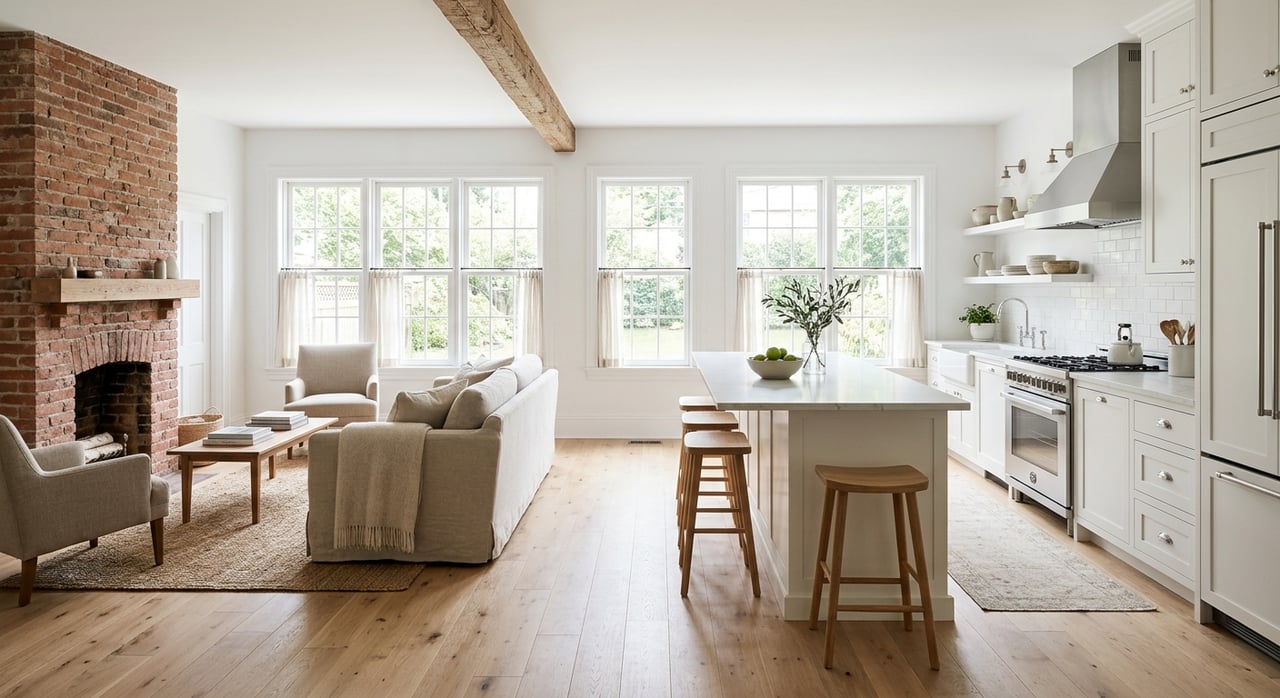
If you own a historic home in Stillwater, you already know you are not selling a cookie-cutter property. You are selling character, craftsmanship, and a story that buyers may not find in newer homes. The right preparation can help you protect that story, price your home wisely, and present it in a way that feels both polished and authentic. Let’s dive in.
Why Stillwater Historic Homes Stand Out
Stillwater has a well-documented preservation culture, and that matters when you list an older home. The city’s historic framework is closely tied to its development from the 1860s through 1911, especially in and around areas with recognized historic significance. That gives many character homes a built-in sense of place that can strengthen how buyers view the property.
For sellers, this means your home’s original details may do more than add charm. Features like millwork, built-ins, staircases, porches, trim, and period architecture can become central parts of the marketing story when they are documented and presented well.
Stillwater also offers preservation resources that can help you gather useful background before your home goes on the market. The city points owners to local and regional research tools like the St. Croix Collection, the Washington County Historical Society, the Minnesota Digital Library historic photographs, and Sanborn Fire Insurance Maps. These sources can help you support your home’s story with dates, images, and neighborhood context.
Check Historic Status Early
Before you make updates or finalize your listing plan, confirm how your property fits into Stillwater’s preservation framework. This step can save time and help you avoid last-minute surprises.
Stillwater draws an important distinction between local historic designation and National Register status. According to the city, local districts use design controls to protect character, but they do not restrict property use or require owners to make improvements.
That said, the rules are not the same everywhere. In the Neighborhood Conservation District, the city says rules apply to new construction only and do not apply to exterior alterations of existing homes.
Downtown properties need closer review
If your home is in or near downtown, the review process may be more detailed. The city says the Downtown Commercial Historic District requires Design Permit approval for exterior alterations, including painting and sign installation.
The Downtown Design Review Overlay District also requires design review for additions or alterations to existing structures and for new infill development. Because Stillwater uses multiple sets of preservation guidelines, early contact with city staff can be especially helpful if you are unsure what applies to your property.
Build a Better Historic Home Story
Buyers respond to more than square footage and bedroom count. With a historic Stillwater home, the property story often plays a bigger role in buyer interest and perceived value.
A strong listing package can include a simple, factual history of the home, a timeline of updates, and notes about preserved original details. If you have old photos, records, or documentation that connect the home to the neighborhood’s history, those materials can help your listing feel more credible and memorable.
The goal is balance. You do not want to rely on family lore or vague claims. Instead, use the city’s recommended research sources to create a cleaner, more reliable narrative that helps buyers understand what makes your home special.
Price to Your Micro-Market
Stillwater remains a competitive market, but pricing a historic home takes nuance. Broad citywide numbers are useful for context, yet they should not be the only guide.
Recent market data points to a Stillwater market in the mid-$400,000s that still moves relatively quickly. Redfin reports a citywide median sale price of $425,745 for the three months ending May 2026, with homes selling in about 19 to 20 days and an average sale-to-list price of 101.9%. Zillow reports an average home value of $452,749 and median days to pending of 11, while Realtor.com reports a median listing price around $449,950, 116 homes for sale, and about 33 days on market.
Those numbers suggest demand is still present, but they also show that different platforms tell slightly different stories. For that reason, your pricing strategy should focus on the most relevant comparable homes, especially other older or character-rich properties in similar locations.
Downtown pricing can differ
Downtown Stillwater does not always behave like the citywide average. Redfin’s downtown neighborhood data shows a May 2026 median sale price of $399,865, a 97.2% sale-to-list ratio, and 14 median days on market.
For a historic or character home near downtown, this is a useful reminder to price against the immediate comparable set rather than assume citywide averages will apply. A home with original details, selective updates, and strong presentation may stand apart, but overpricing can still slow momentum.
Realistic pricing still matters
Minnesota Realtors reported in April 2026 that inventory gains were helping buyers and that sellers should benefit from realistic pricing. Statewide, sellers received 98.4% of list price, and metro sellers received 99.3% of list price.
That context matters because historic homes often invite emotional pricing. It is natural to value the details you have cared for over the years, but the market rewards a strategy grounded in local comparables, condition, and buyer expectations.
Focus on Selective Updates
One of the biggest mistakes sellers make with older homes is doing too much right before listing. Historic homes often benefit more from thoughtful polish than from large, expensive renovations.
Realtor.com’s Stillwater seller guidance notes that minor cosmetic updates such as paint, fixtures, and landscaping tend to pay off, while larger renovations rarely return full cost. That makes a practical pre-listing plan especially important.
Think in terms of edits, not reinvention. If your home has original character, your job is usually to clean it up, brighten it, and remove distractions so buyers can appreciate what is already there.
Pre-listing improvements worth considering
- Fresh, appropriate paint where needed
- Simple fixture updates that do not fight the home’s style
- Exterior touch-ups and tidy landscaping
- Decluttering rooms to highlight architecture
- Deep cleaning floors, woodwork, windows, and tile
- Repairing small visible issues that may make buyers worry about deferred maintenance
Stage Around the Architecture
Historic homes tend to show best when the architecture leads and the decor supports it. You want buyers to notice the ceiling height, staircase, trim, windows, built-ins, and room flow, not your extra furniture or personal collections.
The National Association of Realtors found that 83% of buyers’ agents said staging made it easier for buyers to visualize a property as a future home. In that same research, buyers’ agents ranked the living room, primary bedroom, and kitchen as the most important spaces to stage.
For a Stillwater historic home, staging should feel light, intentional, and respectful of the house. Clean surfaces, reduced personal items, open blinds, and a simple furniture layout can help period features stand out without making the home feel overly themed.
What buyers should notice first
When buyers walk in, try to direct attention toward:
- Original millwork and trim
- Built-ins and cabinetry
- Staircases and entry details
- Fireplace surrounds or mantels
- Tall windows and natural light
- Porches and exterior architectural lines
Use Photography to Tell the Story
Photography is especially important for a historic listing because many buyers will decide whether to book a showing based on the first few images. Strong visuals can help your home compete while showing off the details that make it distinct.
According to the National Association of Realtors, photos matter to 73% of buyers’ agents and 88% of sellers’ agents. Zillow’s guidance also recommends 22 to 27 photos and reports that homes with fewer than nine photos are about 20% less likely to sell within 60 days.
That does not mean adding images just to hit a number. It means creating a complete, honest visual story of the home and its flow.
Historic home photo priorities
For older Stillwater homes, effective photography often includes:
- Wide-angle, chest-height, landscape-oriented room images
- Exterior photos taken at an angle to show depth
- Natural light with blinds open when possible
- Clear views of room-to-room flow
- Close attention to porches, trim, stair details, and built-ins
- Avoiding clutter, unfinished areas, or distracting personal items
A well-photographed home feels cared for before a buyer ever steps inside. For a character property, that first impression can shape the entire showing experience.
Position the Home With Balance
The best historic listings usually avoid two extremes. They do not market the home as a museum piece, and they do not erase its character in an attempt to make it feel brand new.
Instead, the strongest seller position is often a balance of preservation and selective updates. Buyers want to know that the home has soul, but they also want clarity about condition, maintenance, and any improvements already completed.
This is where thoughtful presentation makes a real difference. A clear narrative, realistic pricing, strategic staging, and polished photography can help buyers see both the beauty and the livability of the property.
Work With a Strategy, Not Just a Listing Date
Selling a historic home in Stillwater is rarely about rushing to market. It is about building the right plan before the sign goes up.
That plan may include verifying historic status, gathering house-history materials, making selective cosmetic updates, creating a staging roadmap, and pricing against the right local comparables. When those pieces come together, your listing has a better chance to attract serious buyers who understand what makes the home worth considering.
If you are thinking about selling a historic or character home in Stillwater, working with someone who understands presentation, neighborhood context, and buyer expectations can make the process feel much more clear. When you are ready for tailored guidance and a thoughtful marketing plan, connect with Karin Rice Duncanson.
FAQs
What makes a historic home listing different in Stillwater?
- Historic and character homes in Stillwater often benefit from stronger storytelling, more careful pricing, and listing preparation that highlights original details and local historical context.
Do all Stillwater historic homes have the same preservation rules?
- No. Stillwater’s preservation rules vary by district, and some areas have more review requirements than others, especially downtown properties.
Should you renovate a historic Stillwater home before listing it?
- Large renovations may not return full cost, so many sellers benefit more from minor cosmetic updates, cleaning, repairs, and presentation improvements.
How fast do homes sell in Stillwater right now?
- Current data suggests Stillwater homes still move relatively quickly, with reported timelines ranging from about 11 days to pending to roughly 33 days on market depending on the source.
How should you price a historic home near downtown Stillwater?
- Price it against the most relevant nearby comparable homes rather than relying only on citywide averages, since downtown market performance can differ from the broader Stillwater market.
What rooms matter most when staging a historic home for sale?
- Research cited in this guide points to the living room, primary bedroom, and kitchen as the highest-priority spaces for staging because they help buyers picture daily life in the home.