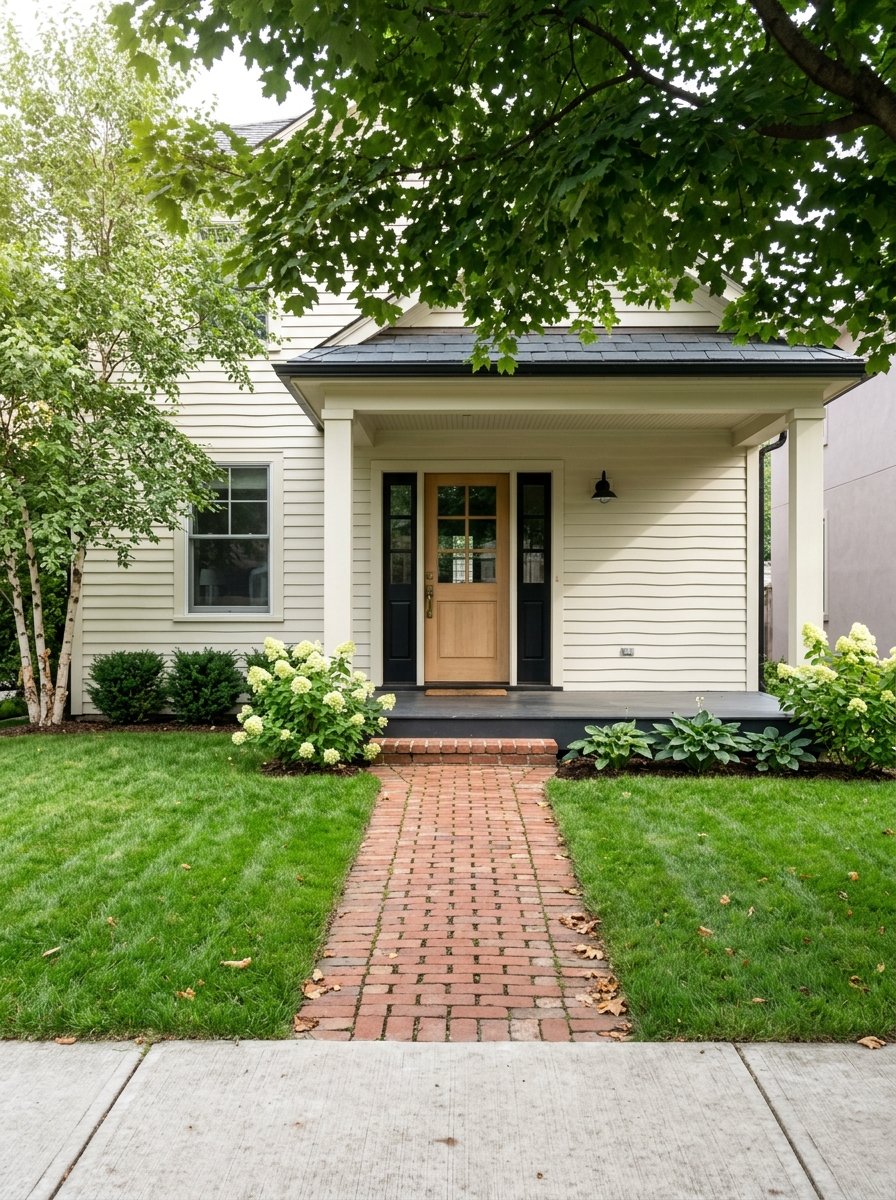
Wondering whether Stillwater is just a fun river town to visit, or a place that truly works for everyday life? If you have ever spent an afternoon downtown and thought, could I actually live here?, you are not alone. The good news is that Stillwater offers more than charm. It combines walkable streets, historic character, parks, trails, and a strong sense of place in a way that fits real daily routines. Let’s take a closer look.
Why Stillwater Feels Different
Stillwater is compact, but it is not tiny in the way that limits your options. The Metropolitan Council’s 2024 profile lists 19,460 residents, 7,991 households, and 9.1 square miles, which helps explain why the city feels easy to navigate while still functioning as a full-time community.
That scale matters when you picture your daily life. You can enjoy a city with recognizable neighborhoods, a defined downtown, and access to parks and trails without feeling spread far from the places you use most. With 753 acres of parks, recreation, and preserves, Stillwater also offers a strong outdoor component that shapes everyday living.
The city’s identity is tied to both its historic core and its natural setting. Stillwater describes this blend through the Stillwater Cultural Landscape District, and even its self-guided downtown walking tour reflects how the city invites residents and visitors to experience local history on foot.
Daily Life Goes Beyond the Day Trip
A lot of places are fun for a Saturday. Fewer places hold up well on a Tuesday morning, a school pickup afternoon, or a winter weekend. Stillwater stands out because its attractions are woven into normal routines, not set apart from them.
Downtown is part of that rhythm. The city’s parking plan centers on Main Street, with free 90-minute parking in the core, free 4-hour parking west of Main Street, paid spaces east of Main Street, a public ramp one block west, and free downtown parking every Tuesday. That kind of setup supports errands, short visits, and repeat use rather than making downtown feel like a place you only visit for special occasions.
The city also began rolling out a 25 mph speed limit on residential streets in 2026, while state and county roads keep their existing limits. In practical terms, that adds to the more pedestrian-oriented feel in the parts of town where people live, walk, and shop.
River Access Shapes the Lifestyle
In Stillwater, the river is not just scenery. It influences how people spend their free time and move through the city.
The Stillwater Lift Bridge has crossed the river since 1931 and reopened in 2020 for pedestrians and bicycles. Today, it connects the Loop Trail across the river, giving you another way to build walking or biking into your routine. That is a meaningful difference if you want recreation close to home instead of something that requires a long drive.
The city also offers a municipal boat dock with 16 first-come, first-served slips near Main Street. If being near the water is part of why you are drawn to Stillwater, features like that help turn a scenic backdrop into an everyday option.
Parks and Trails Support Everyday Routines
Stillwater’s lifestyle is especially appealing if you want easy access to outdoor spaces. Several city parks include walking paths, which makes it easier to fit movement and fresh air into your day.
Some of the most recognized parks include:
- Lowell Park
- Pioneer Park
- Teddy Bear Park
- Washington Square Park
- Lily Lake Park
Lily Lake Park adds even more utility with a boat launch, fishing pier, and indoor skating facility. In winter, the city maintains outdoor rinks at Northland Park, Lily Lake, Old Athletic Field, and Public Parking Lot #4, so the seasonal shift feels like part of community life rather than a reason to stay inside.
For longer trail access, Brown’s Creek State Trail is a 5.9-mile Minnesota DNR trail connecting Gateway State Trail to the St. Croix National Scenic Riverway in Stillwater. If your ideal home base includes walking, biking, or simply having scenic outdoor options nearby, this part of the lifestyle is a major draw.
Stillwater Neighborhoods Have Real Variety
If you are thinking about buying in Stillwater, it helps to know that the city is not one uniform housing area. Stillwater’s neighborhood-history work divides the city into 16 surveyed neighborhoods, including North Hill Original Town, South Hill Original Town, Holcombe District, Greeley Addition, and Dutchtown District.
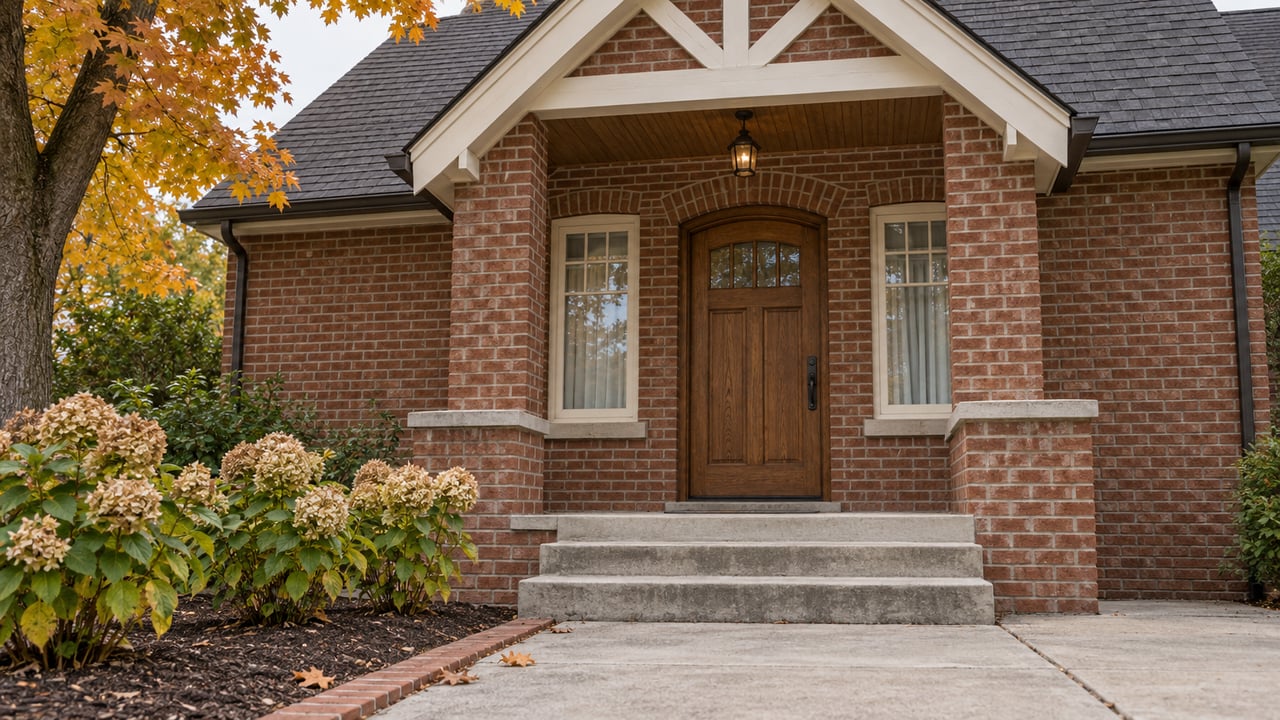
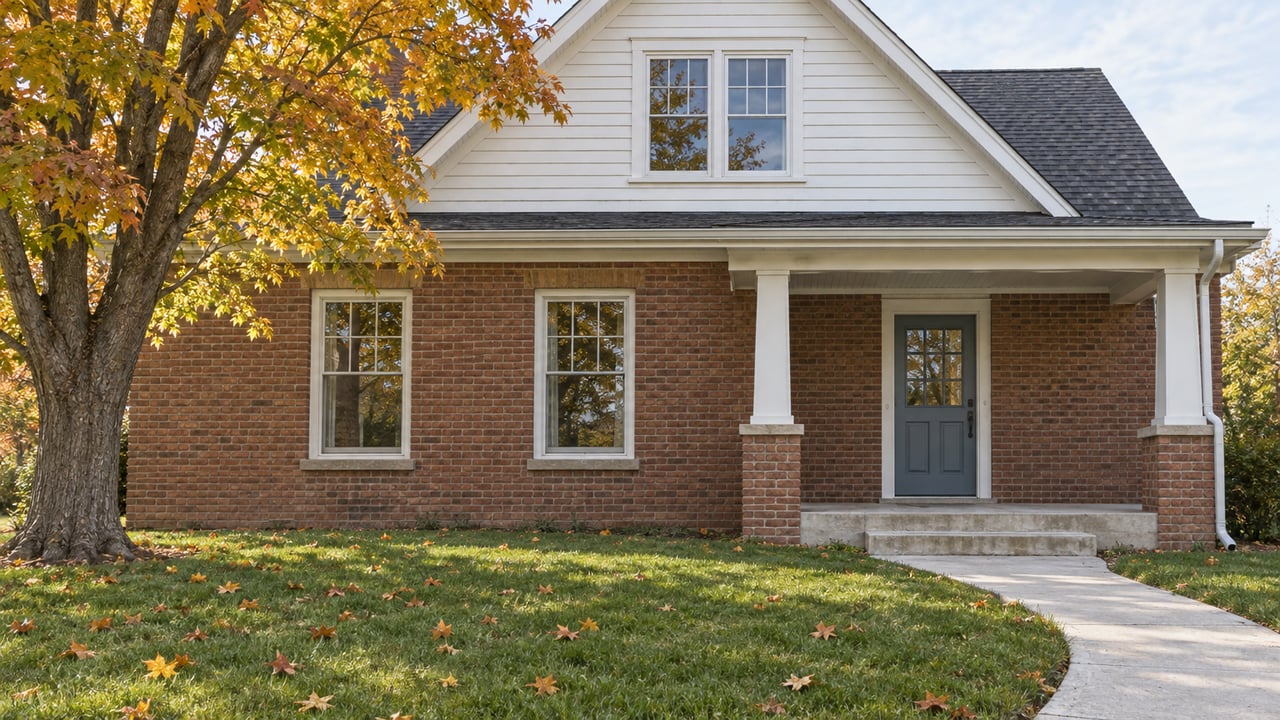
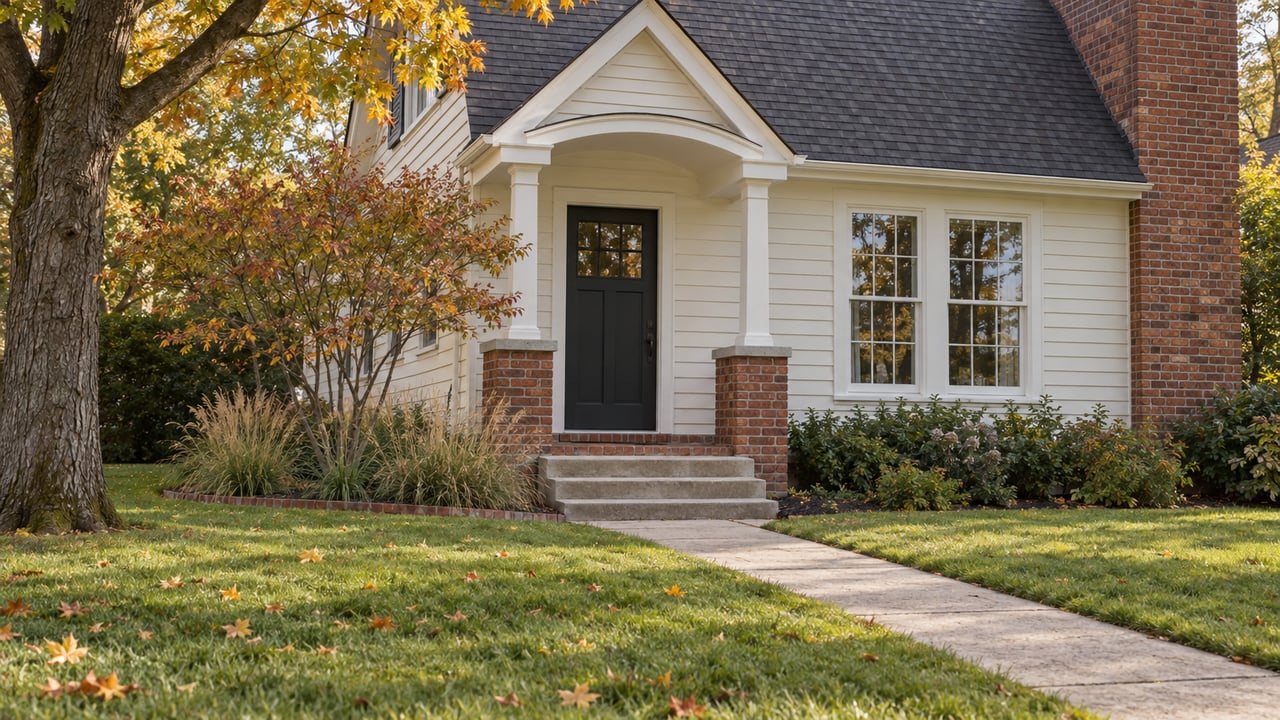
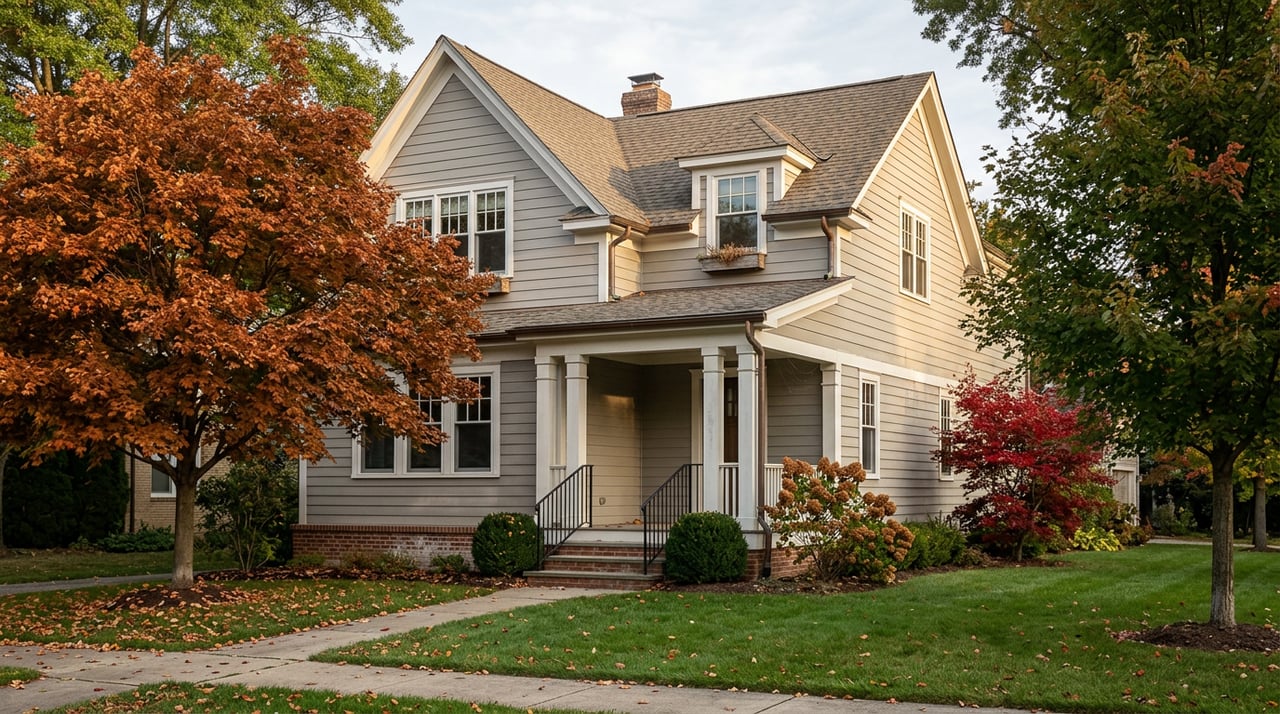
That variety shows up in the housing stock too. The city’s neighborhood worksheet identifies common styles such as Vernacular, Italianate, Queen Anne, Gothic, Greek Revival, Second Empire, American Foursquare, and Stick. In simple terms, you may see a broader mix of older architectural styles here than in many newer suburban communities.
For some buyers, that character is the main appeal. For others, it means taking a closer look at upkeep, renovation history, and the rules that may apply to exterior changes.
What to Know About Historic Rules
Stillwater’s historic identity is a big part of its appeal, but it also comes with some practical considerations. The city says its only historic district is the Downtown Commercial Historic District, which is both locally designated and listed on the National Register.
The city also has a Neighborhood Conservation District that helps preserve the character of residential areas by reviewing compatible new infill. If you are considering a home in or near one of these areas, exterior work may be subject to design review.
That does not mean every change is restricted. According to the city’s FAQ, local historic designation does not restrict property use or interior changes, but exterior alterations must meet preservation guidelines. For buyers and sellers, that is an important detail because it can affect renovation plans, timelines, and how you think about future improvements.
Schools Depend on Address
If school planning is part of your move, one of the most important details is simple: assignment depends on address, not just the Stillwater name.
Stillwater Area Public Schools stretches 30 miles along the St. Croix River from Marine on St. Croix to Afton, covers about 150 square miles, and serves 18 communities. The district says it serves more than 8,000 students and includes seven elementary boundaries, two middle schools, and one high school, with district students attending Stillwater Area High School.
That means you should verify school boundaries early if they matter to your search. A home with a Stillwater mailing address or a Stillwater identity may not tell you the full story on its own.
The Market Reflects Strong Demand
Stillwater’s lifestyle appeal is not a secret, and current market data suggests buyers continue to compete for it. Redfin reported that in March 2026, the median sale price in Stillwater was $479,000, homes sold in about 21 days, and the market was very competitive.
Zillow’s March 31, 2026 figures showed a typical home value of $445,501, a median list price of $429,900, 38 homes for sale, and a median days-to-pending figure of 42. These numbers are not directly interchangeable because the sources use different methods, but they point in the same direction: an active market with limited inventory.
For you as a buyer, that usually means preparation matters. If you are drawn to Stillwater’s historic core, trail access, or river-connected setting, being clear on your budget, priorities, and non-negotiables can help you act with more confidence. For sellers, the same demand can make pricing, presentation, and timing especially important.
Who Stillwater Fits Best
Stillwater can be a strong fit if you want more than square footage alone. It tends to appeal to buyers who value character, outdoor access, and a downtown that feels like part of daily life rather than a separate entertainment district.
You may especially appreciate Stillwater if you want:
- A walkable historic core
- Distinct neighborhood character
- Parks and trails woven into daily routines
- River views and water access nearby
- A home with architectural personality
- A community that feels established rather than newly built
At the same time, it helps to go in with a clear picture. Older homes may come with maintenance considerations, some areas may involve exterior design review, and a competitive market often rewards buyers and sellers who are well prepared.
Turning a Visit Into a Move
The leap from day trip to daily life usually comes down to one question: can you picture your routines here? In Stillwater, that answer is often yes, because the city offers more than pretty views and weekend energy. It gives you a compact, active, river-centered setting with enough infrastructure, housing variety, and neighborhood identity to support real life.
If you are considering a move to Stillwater, or thinking about selling a home in this market, the right local guidance can help you sort through neighborhoods, preservation considerations, pricing, and timing with more clarity. If you want a thoughtful, high-touch approach to buying or selling in the east metro, Karin Rice Duncanson would love to help you take the next step.
FAQs
Is Stillwater, MN a good place for full-time living?
- Stillwater functions as a full-time community with nearly 19,500 residents, a defined downtown, 753 acres of parks and recreation areas, and everyday amenities that go well beyond tourism.
What is everyday life like in Stillwater, MN?
- Daily life in Stillwater often includes walkable downtown access, parks, trails, riverfront spaces, seasonal recreation, and a more pedestrian-oriented feel in many residential and shopping areas.
Are Stillwater, MN homes in historic districts?
- Some properties may be affected by local preservation or conservation rules, especially in the Downtown Commercial Historic District or areas influenced by the Neighborhood Conservation District, so it is smart to check before planning exterior changes.
What kinds of homes are common in Stillwater, MN?
- Stillwater includes a mix of older housing styles, such as Vernacular, Italianate, Queen Anne, Gothic, Greek Revival, Second Empire, American Foursquare, and Stick, along with homes across multiple surveyed neighborhoods.
How do school boundaries work in Stillwater, MN?
- School assignment depends on the property address, not only on the city name, so buyers should confirm district boundaries early in the home search.
Is the Stillwater, MN housing market competitive?
- Current market data from March 2026 suggests strong demand, limited inventory, and relatively quick timelines compared with slower-moving markets.