Buying in Macalester-Groveland can feel exciting and a little intimidating at the same time. You may love the tree-lined streets, older homes, and easy access to Grand Avenue, but you also want to know what you are really getting into before you make an offer. This guide will walk you through the housing stock, day-to-day lifestyle, market pace, and key local details so you can buy with more confidence. Let’s dive in.
Why buyers look at Macalester-Groveland
Macalester-Groveland is one of Saint Paul’s most established neighborhoods, and that history shows up in the way it feels block by block. Macalester College describes the area as stretching from the Mississippi River to Ayd Mill Road and from Randolph Avenue to Summit Avenue, with nearly 20,000 residents and a mix of single-family homes, apartments, and dorms.
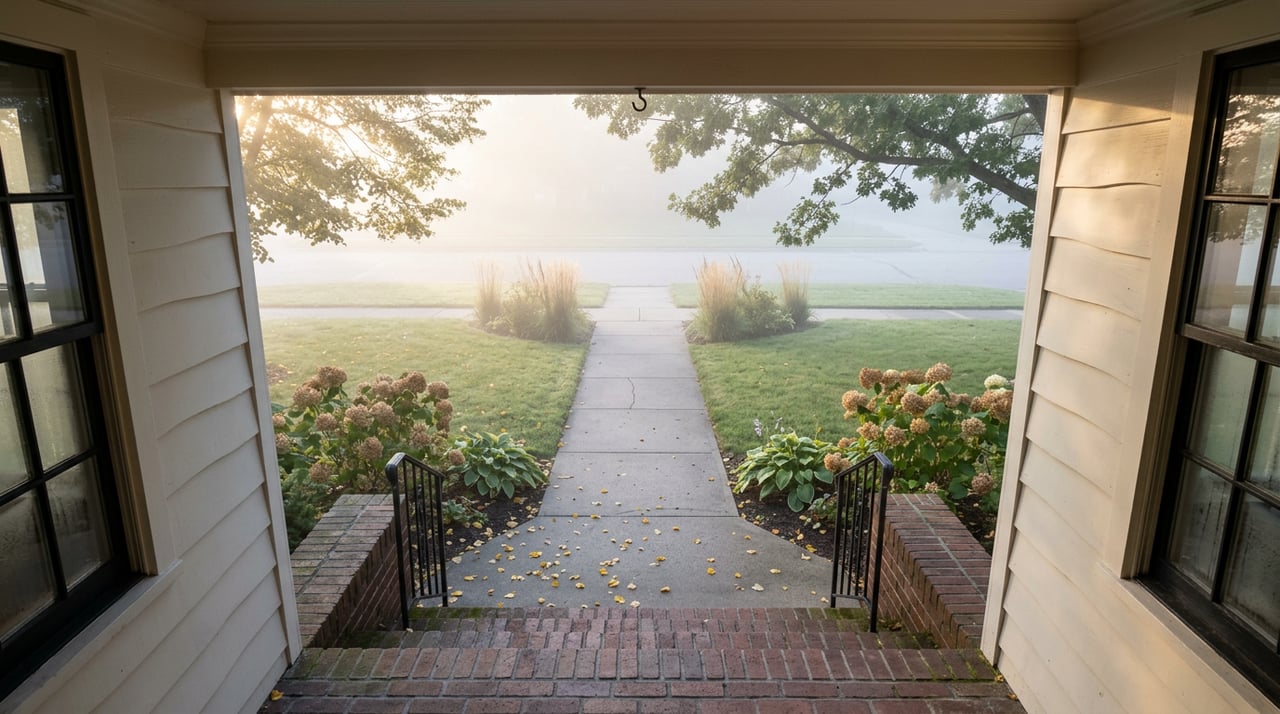
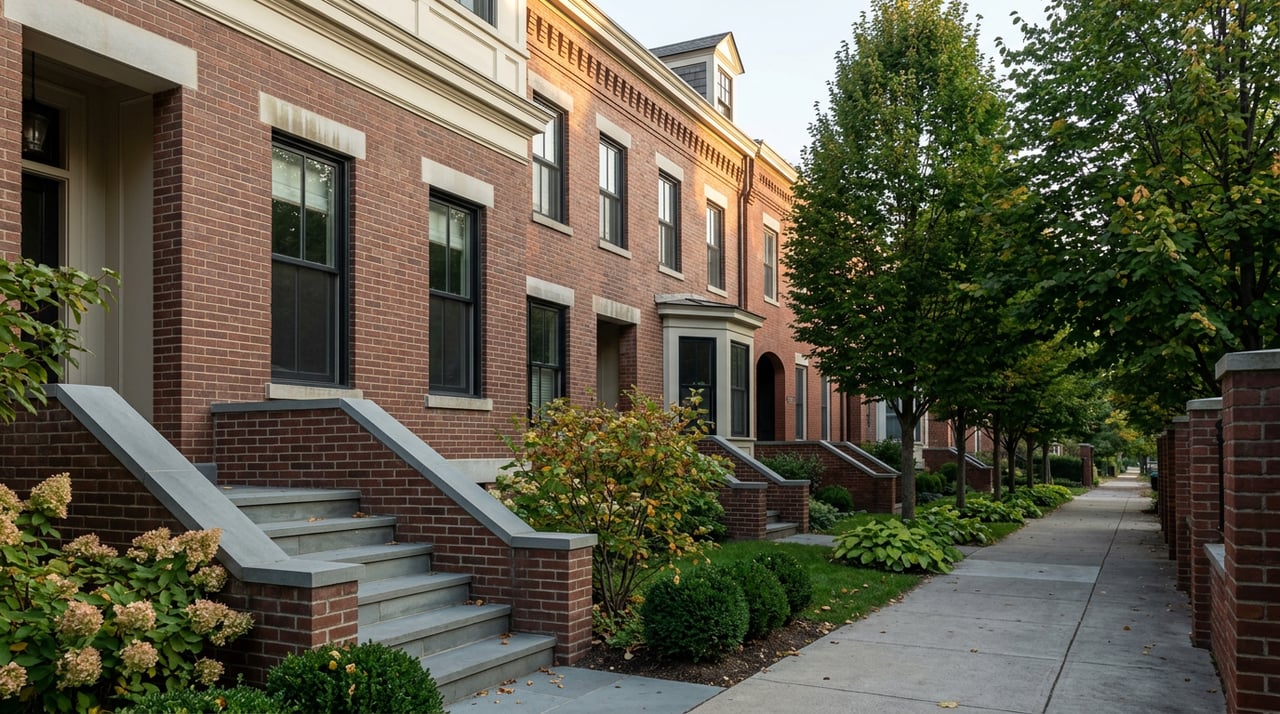
The City of Saint Paul’s community plan describes the neighborhood as connected, walkable, and mixed-use, with mature trees, local businesses, parks, and a pedestrian-oriented streetscape. For you as a buyer, that usually means an established urban neighborhood with strong identity, not a pocket of newer suburban-style development.
If you want charm, nearby amenities, and homes with personality, Mac-Grove often checks those boxes. If you want brand-new construction and low-maintenance sameness, it may feel like a different fit.
What kinds of homes you’ll see
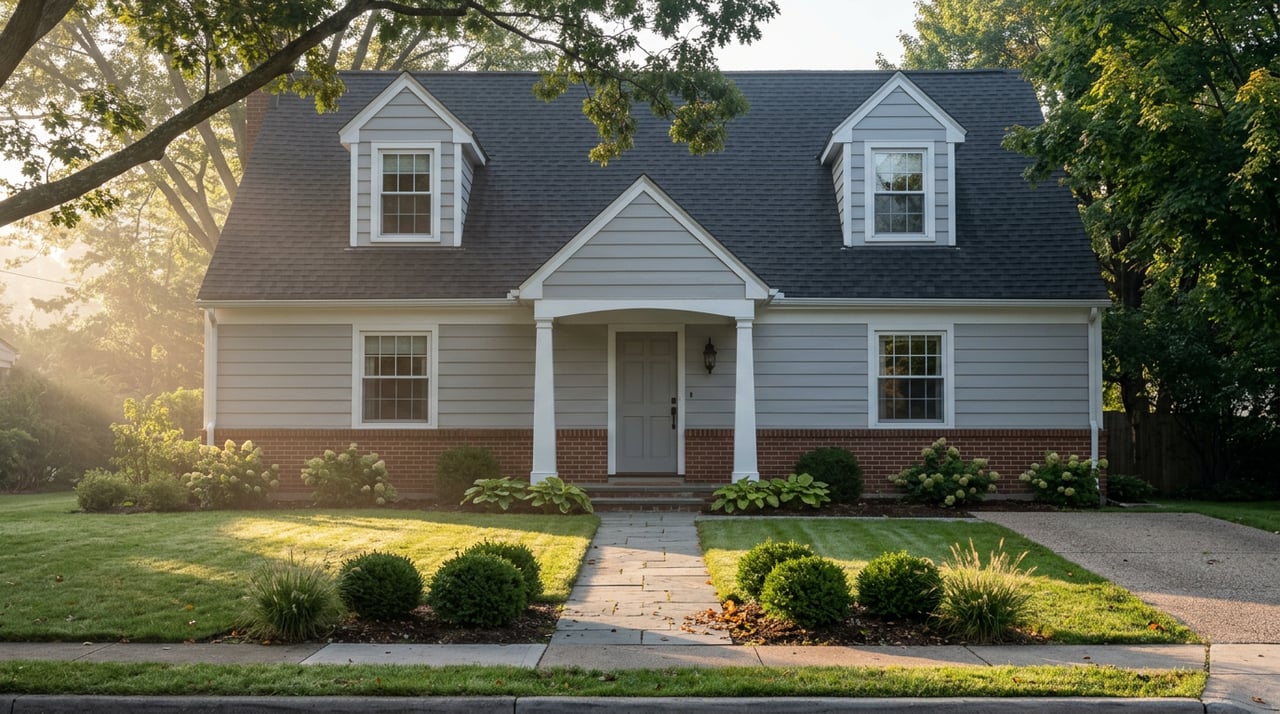
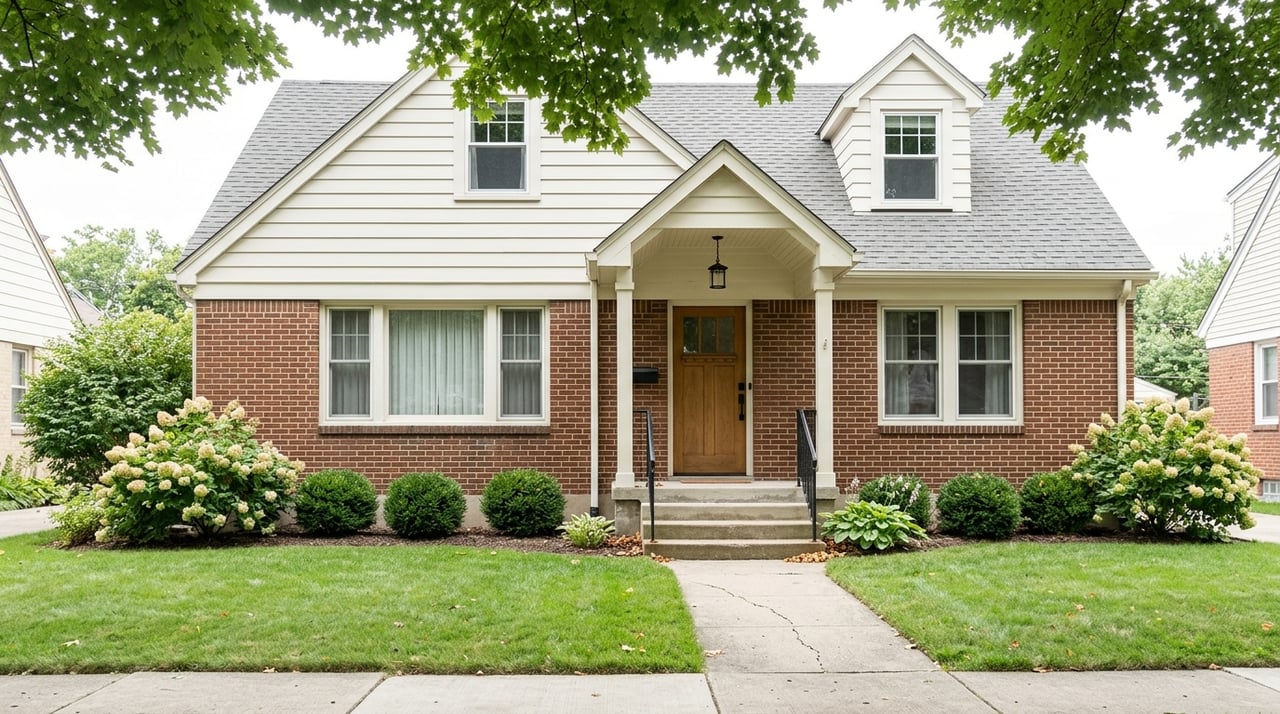
Most of Macalester-Groveland’s homes date back to the streetcar era. According to the neighborhood council and the city plan, much of the neighborhood was built from about 1915 through the late 1920s and was largely established by 1930.
That older housing stock shapes what you will find on the market. The neighborhood is known for pre-World War II single-family homes and duplexes, while apartments and mixed-use buildings are more common along commercial corridors.
Architecturally, you can expect early-20th-century styles rather than modern builds. Saint Paul’s historic district materials identify Classical, Spanish Colonial, Colonial, and Tudor Revival as common styles from about 1905 to 1935, along with bungalows and patternbook-designed homes.
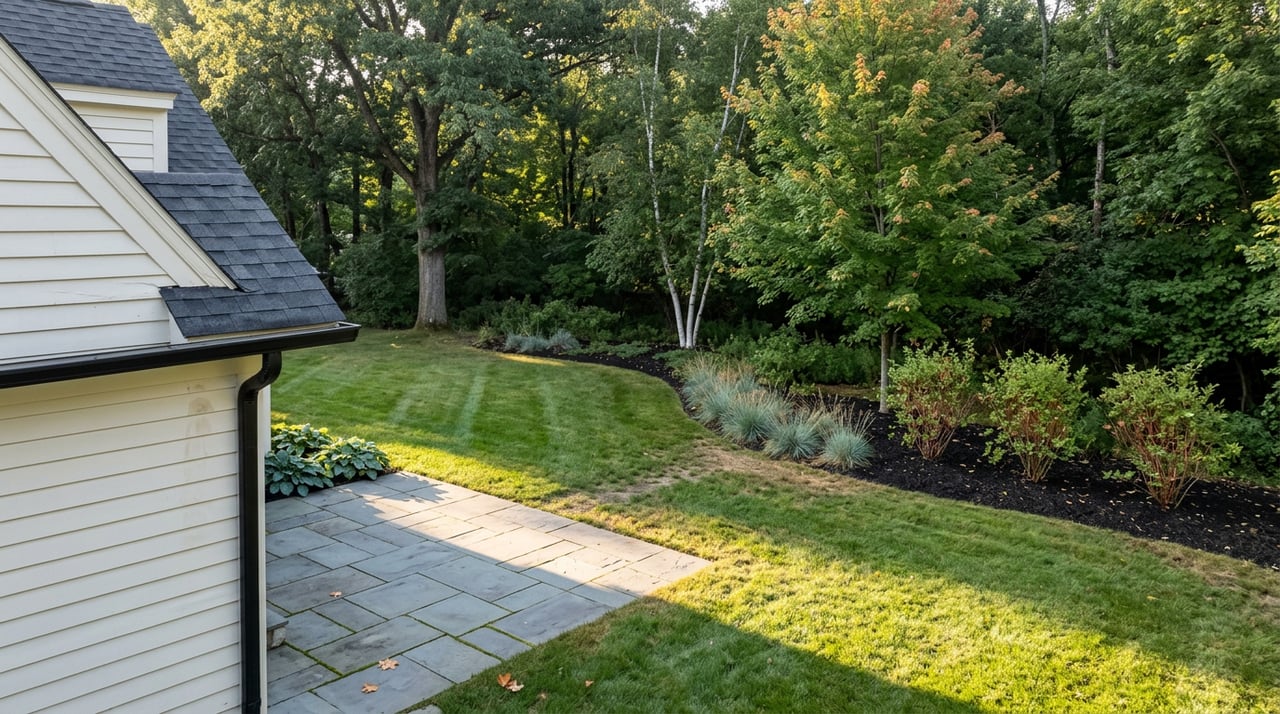
For many buyers, that is a huge part of the appeal. Original details, established lots, and classic curb appeal can make a home feel special in a way newer construction sometimes does not.
Older homes often need closer attention
The same character that draws buyers in also calls for a more careful eye. Because the neighborhood is older and the city’s planning guidance emphasizes rehabilitation and preservation of traditional appearance, it is smart to expect a higher need for maintenance, updates, and attention to workmanship.
That does not mean every house will need major work. It does mean you should look closely at condition, past improvements, and the quality of any renovations.
What everyday life feels like
For many buyers, Mac-Grove is as much about lifestyle as it is about the house itself. Grand Avenue is a major part of that appeal, with shops, restaurants, and entertainment woven into daily life.
Macalester College describes Grand Avenue as Saint Paul’s premier shopping, dining, and entertainment district. The neighborhood also includes corner stores, grocers, locally owned businesses, and a historic movie theater, which helps explain why many people are drawn to the area’s strong street life.
If you like being able to grab coffee, run errands, meet friends, or enjoy a weekend out close to home, Mac-Grove offers that kind of convenience. It is one of the clearest lifestyle advantages in this part of Saint Paul.
Transit access is part of the appeal
Macalester-Groveland also offers useful transit connections. Metro Transit shows that the A Line serves the Snelling and Grand corridor, and Route 63 connects St. Thomas, Grand Avenue, Macalester, downtown Saint Paul, and Sun Ray Transit Center.
That matters if you want a more walkable or car-light routine. Depending on the block, transit access can be a meaningful part of day-to-day convenience.
The feel can change block by block
One of the most important things to know before buying here is that Mac-Grove is not one-note. The city notes that part of the neighborhood is covered by Saint Paul’s student housing overlay district, and planning documents identify Grand Avenue and Snelling as key mixed-use corridors.
In practical terms, some blocks feel quieter and more residential, while others are closer to busier commercial or college-adjacent activity. When you tour homes, pay attention not just to the property but also to the immediate surroundings and how that location fits your routine.
Is Mac-Grove competitive?
In short, yes, it often is. Minneapolis Area Realtors’ 2024 annual report shows 236 closed sales in Saint Paul–Macalester-Groveland, with 36 cumulative days on market, 8.5 showings per listing, and 100.1% of original list price received.
Those numbers point to steady demand and limited supply. The same report also shows just 0.4% new construction, which reinforces the idea that buyers are competing for a relatively fixed pool of existing homes.
Compared with the broader Twin Cities market, Mac-Grove often behaves like a tighter submarket. The metro’s February 2026 data showed 2.1 months of supply, 69 days on market, and 97.4% of original list price received, which suggests Mac-Grove can move faster and closer to asking price than the broader region.
What that means for your offer strategy
If you are buying in Macalester-Groveland, preparation matters. A good house in a strong location may not sit for long, especially if it is well-priced and well-presented.
A practical baseline looks like this:
- Get fully preapproved before you start writing offers
- Be ready to tour quickly when a listing hits the market
- Keep your offer clean and easy for the seller to evaluate
- Leave time for your own due diligence on condition and repairs
This is one of those neighborhoods where clear communication and a plan can make a real difference.
Why inspections matter here
In Saint Paul, sellers of single-family homes, duplexes, condos, and townhomes are generally required to obtain a Truth-in-Sale of Housing report before marketing the property. That can be helpful context, but the city is clear that the report is disclosure only and does not replace an independent inspection.
For you as a buyer, that is especially important in an older neighborhood like Mac-Grove. Even a beautiful, well-cared-for home may have aging systems, older materials, or updates completed across different decades.
A thorough independent inspection gives you a better understanding of the home’s current condition and likely future needs. It is one of the best ways to balance emotion with practical decision-making.
A few practical watch-outs
Macalester-Groveland’s strengths come with a few everyday tradeoffs. Near active corridors like Grand Avenue, parking, alley access, and road work can shape the daily experience more than buyers sometimes expect at first glance.
The City of Saint Paul’s Grand Avenue reconstruction updates show that corridor work has affected access, parking, and pedestrian routing in phases. That is temporary, but it is a good reminder that living near a popular corridor can come with periods of inconvenience alongside the convenience and energy that make the area appealing.
This is why it helps to visit a home at more than one time of day if you can. A block can feel very different on a quiet weekday morning than it does during an evening rush or weekend event.
Is Mac-Grove a good fit for first-time buyers?
For many first-time buyers, the answer can be yes. If you value walkability, historic character, local amenities, and a strong sense of place, Mac-Grove offers a lot to like.
The tradeoff is that you are often shopping in an older housing stock and a competitive market. That means you should be ready both emotionally and financially for inspections, future updates, and the possibility of needing to act quickly when the right home appears.
The best approach is to go in with clear priorities. If you know what matters most to you, whether that is location, style, condition, or ease of daily life, you will be better prepared to recognize the right opportunity when it shows up.
If you are weighing Macalester-Groveland against other Saint Paul neighborhoods, a local, block-by-block perspective can be especially helpful. When you want thoughtful guidance, neighborhood insight, and a steady hand through the process, reach out to Karin Rice Duncanson.
FAQs
What should buyers know about home styles in Macalester-Groveland?
- Most homes in Macalester-Groveland date to the early 1900s through the late 1920s, with many pre-World War II single-family homes, duplexes, bungalows, and period-revival styles.
What should buyers expect from the Macalester-Groveland market?
- Buyers should expect a market with steady demand and limited supply, where well-priced homes may move quickly and sell close to asking price.
What should buyers know about inspections in Saint Paul?
- Saint Paul requires a Truth-in-Sale of Housing report for many homes before marketing, but the city says that report does not replace an independent buyer inspection.
What should buyers know about living near Grand Avenue?
- Living near Grand Avenue can offer convenient access to shops, dining, and everyday errands, but it may also come with more activity, parking considerations, and occasional corridor construction.
What should first-time buyers know before buying in Macalester-Groveland?
- First-time buyers should know that Mac-Grove can be a strong fit if you value character and walkability, but you should also plan for older-home maintenance, careful inspections, and a competitive buying process.