What if you could pair everyday lake views with an easy drive to the Twin Cities? If you’ve visited White Bear Lake and wondered what life looks like year‑round, you’re not alone. You want a clear picture of the lifestyle, costs, and practical details before you decide. In this guide, you’ll learn how lake living actually works, what downtown offers, housing basics, commute options, and key considerations to keep in mind. Let’s dive in.
White Bear Lake at a glance
White Bear Lake sits in the northeast Twin Cities metro with a strong lake identity and a compact, walkable downtown. According to the latest Census QuickFacts, the city counted 24,883 residents in 2020, with an estimated 23,479 in 2024, and a mean commute time of about 22 minutes. The Census also reports a median value of owner‑occupied homes at $331,800 based on 2020–2024 data. These numbers give you a solid baseline as you compare the area to other suburbs.
- Population snapshot: 24,883 (2020); 23,479 estimate (2024)
- Commute time: about 22 minutes on average
- Median owner‑occupied value: $331,800
You can confirm these figures directly in the U.S. Census QuickFacts for White Bear Lake city. View the Census summary.
Lake life and outdoor recreation
On the water: access and activities
The lake is the heart of daily life. You can boat, fish, and swim in summer, then shift to ice activities in winter when conditions allow. The Minnesota DNR’s LakeFinder details fish species, access points, and lake data so you can plan your season with confidence. Explore access and lake information using the DNR’s LakeFinder report for White Bear Lake.
The city manages parks, trails, and gathering spots around the shoreline and beyond, including reservable pavilions and a sports center. Public launches and beaches make it easy to enjoy the water even if you do not live on the shoreline. Check the city’s Parks and Recreation page for park maps, amenities, and reservation details.
Four seasons, different rhythms
- Summer: boat launches, marina activity, lakeside picnics, and a lively downtown scene after the sun sets.
- Fall: quiet shoreline walks, crisp air on the trails, and colorful trees around the lake.
- Winter: ice fishing and indoor programs at the city sports center keep life active when temperatures drop. The city provides updates on facilities and seasonal programming on its parks and facilities page.
A note for waterfront buyers
Owning on the lake is a premium experience, but it also comes with more rules and responsibilities. If you love the water yet prefer a simpler setup, public access points help you enjoy the lake without maintaining shoreline. Either way, knowing where you will launch, store equipment, and gather with friends can help you choose the right neighborhood.
Downtown charm and community events
Walkable downtown energy
Downtown White Bear Lake is compact, friendly, and easy to navigate. You will find local boutiques, casual and sit‑down dining, galleries, and services that make errands and date nights simple. Browse the Main Street district for a feel of the vibe and event calendar on the Downtown White Bear Lake site.
Farmers market and seasonal gatherings
From late June through October, the city hosts a Friday farmers market on Clark Avenue between 2nd and 3rd. It is a relaxed way to stock up on produce and connect with neighbors. See dates and details from LocalHarvest’s market listing and watch the downtown site for special events throughout the year.
Housing and neighborhoods
What you will find
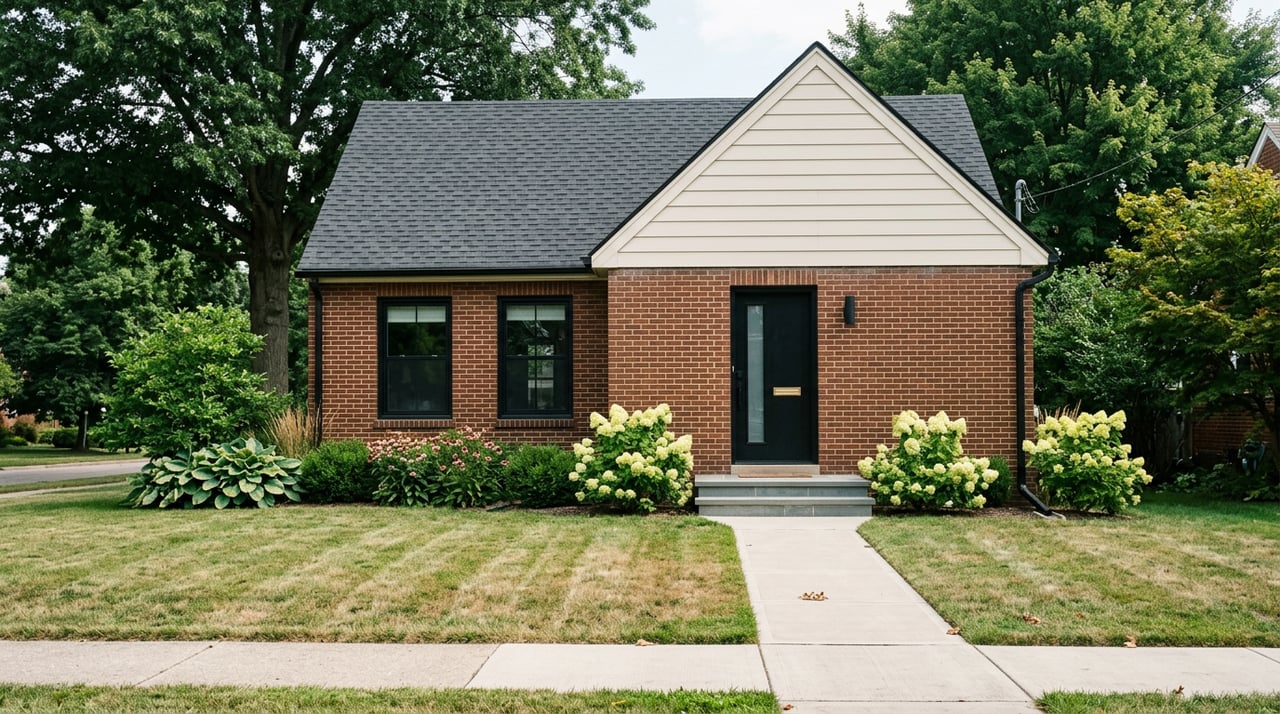
White Bear Lake offers a wide mix of homes. You will see historic cottages and early 20th‑century architecture near the lake, midcentury and late‑20th‑century homes in surrounding neighborhoods, plus condos and newer infill near downtown. Waterfront or near‑lake properties tend to command higher prices per square foot due to access and walkability.
Prices and competition
For long‑term context, the Census reports a median value of owner‑occupied homes at $331,800 over 2020–2024. Current sale prices vary by location, size, and condition, with waterfront and downtown‑adjacent homes in higher demand. If you are buying or selling, use up‑to‑date local data and recent comparable sales to set realistic expectations.
Getting around
Driving and daily commutes
White Bear Lake is primarily car‑oriented today. The mean commute time is about 22 minutes, which aligns with an easy drive to many St. Paul or Minneapolis job centers depending on time of day and route. You can review the commute figure in the Census QuickFacts.
Transit today and what is planned
Local bus routes serve the area, but there is no heavy rail stop in downtown White Bear Lake. Regionally, the METRO Purple Line bus rapid transit corridor has been studied with downtown White Bear Lake included in design alternatives. The project would improve transit access if funded and built, though it remains in planning steps. You can read about proposed alignments and project updates in Metro Transit’s Purple Line planning document.
Schools and local services
School district overview
White Bear Lake Area Schools (ISD 624) serves the city and nearby communities, with multiple elementary, middle, and high school sites. If schools are a priority, check current boundary maps and call the district for the most recent program and enrollment information. Start with the district’s resources through White Bear Lake Area Schools.
City services and contacts
For permitting, utility information, and public safety contacts, the city’s website is a helpful starting point. You can find department links and resources on the City of White Bear Lake site.
Important considerations
Lake levels and shoreline planning
White Bear Lake has a well‑documented history of water level variability. The Minnesota DNR adopted a protective elevation policy in 2016 and continues to guide groundwater appropriations and lake management. For background on management and policy, review the DNR’s page on White Bear Lake water level planning. For a technical deep dive into regional hydrology, see the USGS study on northeast Twin Cities lakes, which includes White Bear Lake. Read the USGS Scientific Investigations Report for context on groundwater and surface water interactions.
What this means for you: if you are considering waterfront, factor in potential lake level changes, shoreline rules, and long‑term stewardship of the property.
Seasonality and upkeep
Four distinct seasons mean you will plan around snow removal, leaf cleanup, and spring thaw. If you are eyeing older homes, schedule inspections that look closely at roofing, drainage, and insulation. A shoulder‑season visit can help you see how the property handles wind, water, and freeze‑thaw cycles.
Waterfront premiums and rules
Properties with docks and direct access carry a premium and often have additional rules to follow. If you prefer a lower‑maintenance approach, public launches, beaches, and parks provide easy access without owning shoreline. Review park amenities and rules on the city’s Parks and Recreation page.
Who will love White Bear Lake
- Lake enthusiasts who want year‑round access without leaving the metro.
- Downtown‑minded buyers who value a walkable main street and local events.
- First‑time buyers and downsizers seeking a range of home types and sizes.
- Move‑up buyers looking for character homes or larger lots near trails and parks.
The bottom line
So, is White Bear Lake a good place to live? If you want four‑season lake life, a friendly downtown, parks and programs, and a reasonable commute to St. Paul or Minneapolis, it is a strong contender. Go in with clear eyes about waterfront rules, seasonal upkeep, and current market competition, and you can find a home that fits your lifestyle.
If you are ready to explore homes in and around White Bear Lake, reach out to Karin Rice Duncanson for local guidance, clear communication, and a boutique, high‑touch experience from search to closing.
FAQs
Is White Bear Lake a good choice for Twin Cities commuters?
- Yes. The Census reports a mean commute time of about 22 minutes, which supports an easy drive to many St. Paul and Minneapolis job centers depending on your route and time of day.
What do homes typically cost in 55110?
- The Census shows a median value of owner‑occupied homes at $331,800 over 2020–2024; current sale prices vary by location, size, condition, and proximity to the lake.
Can I enjoy the lake without owning shoreline property?
- Absolutely. The city provides public beaches, parks, and boat launches, so you can swim, paddle, or launch a boat without waterfront ownership.
How are White Bear Lake’s water levels managed?
- The Minnesota DNR set a protective elevation in 2016 and continues to manage groundwater appropriations; the USGS also studied regional hydrology to inform planning.
What public transit changes are being considered?
- The METRO Purple Line bus rapid transit corridor has been studied with routes that include downtown White Bear Lake; it remains in planning and funding phases.
Which school district serves White Bear Lake?
- White Bear Lake Area Schools (ISD 624) serves the area; check district resources for current boundaries, enrollment, and program information.