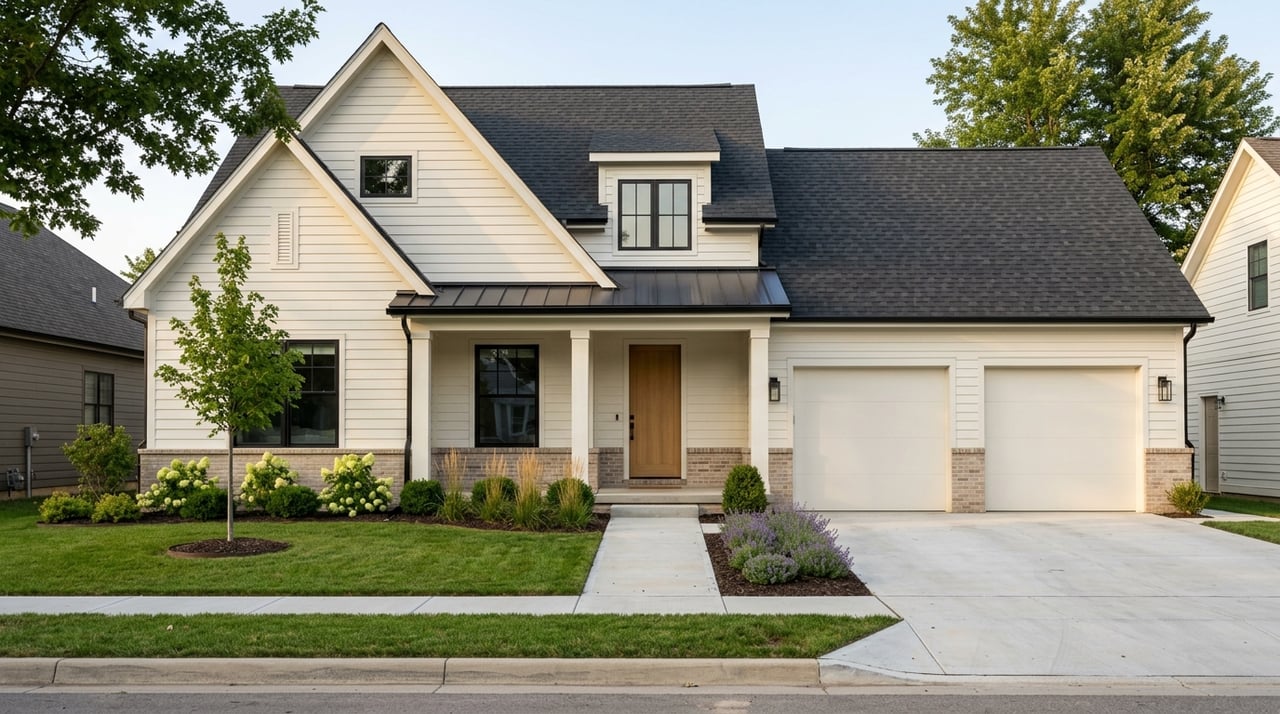
If you are considering a newly built home in Lake Elmo, you are not alone. This east metro community is growing quickly, and with that growth comes more neighborhoods, more builder options, and more decisions to sort through before you sign a contract. The good news is that when you understand how Lake Elmo development works, what questions to ask, and where surprise costs can show up, you can move forward with much more confidence. Let’s dive in.
Why Lake Elmo stands out
Lake Elmo is not just seeing a few isolated new-home projects. According to the Metropolitan Council’s 2024 population estimates, the city grew to 14,529 residents, up from 11,335 in 2020.
That kind of growth matters if you are buying new construction. It suggests a market with active development, changing infrastructure, and more neighborhood buildout still ahead. In practical terms, you are buying into a community that is continuing to take shape.
The city’s residential and commercial projects page shows multiple residential developments under construction or in review, including Amira of Lake Elmo, Woodhelm, Inwood Townhomes, North Star, Prairie Sky, and Roers. The same page also shows institutional growth, including the new Lake Elmo Elementary site and Oak-Land Middle School expansion.
How Lake Elmo growth affects buyers
New construction can feel simple on the surface. You pick a floor plan, choose finishes, and wait for the home to be completed. But in a growing city like Lake Elmo, your decision also ties into subdivision approvals, utilities, HOA rules, and future neighborhood development.
Lake Elmo’s Planning and Zoning Department handles zoning, subdivisions, variances, annexations, and comprehensive planning, while the Planning Commission reviews site plans, subdivisions, and open-space preservation items. For you as a buyer, that means plat status and subdivision approval are important parts of due diligence, not just city paperwork in the background.
Lake Elmo’s broader planning also emphasizes open space, stormwater management, and community character as future growth continues. That can shape how neighborhoods are laid out and how surrounding land may develop over time.
Start with the right questions
Before you fall in love with a model home or a lot, it helps to slow down and ask a few practical questions early.
Here are some of the most important ones:
- Is the subdivision fully approved and recorded?
- What is included in the base price versus upgrades?
- What are the expected construction timelines?
- What happens if the build is delayed?
- What are the utility connections and estimated quarterly costs?
- Is there an HOA, and what does it cover?
- What warranty comes with the home?
- Can you use your own lender, inspector, title company, or settlement provider?
These questions can help you compare builders more clearly and avoid surprises once you are under contract.
Review the lot and subdivision carefully
In new construction, the lot matters almost as much as the house itself. A premium lot, corner lot, walkout lot, or lot backing to open space can affect both price and future enjoyment.
Just as important, you should confirm the status of the subdivision. Since Lake Elmo actively manages land use and subdivision approvals through its planning process, understanding whether a plat is approved and what nearby land is planned for can help you make a better-informed choice.
This is especially useful in a market where multiple projects are still being built out. What feels quiet today may look different once surrounding phases are complete.
Understand HOA rules before you commit
Many newer Lake Elmo neighborhoods include homeowners associations. The city notes on its HOA information page that HOAs are private organizations, operate independently from the city, and may have rules that are more restrictive than city code.
That matters because the city does not enforce those private rules for you. Before you commit to a lot or a build, review the covenants, dues, architectural standards, and any obligations tied to private roads or shared common areas.
An HOA may be perfectly manageable, but you want to understand exactly what you are agreeing to. That is especially true if you plan to make exterior changes later or want a clear picture of your monthly ownership costs.
Budget beyond the purchase price
One of the biggest mistakes buyers make with new construction is focusing only on the contract price. Your real monthly cost of ownership may also include utilities, HOA dues, taxes, and future rate changes.
Lake Elmo’s utility billing page explains that utility bills can include water, sanitary sewer, stormwater management, and state water testing. The city also makes clear that property taxes do not cover these services.
If a property is connected to city water or sewer, billing is generally quarterly. If it has no city utility connections, it may still receive an annual stormwater bill.
You should also verify current rates before closing. The city’s utility rates page notes updated water, sewer, and stormwater rates effective in April 2026, so a builder estimate from earlier in the process may not reflect what you will actually pay in your first year.
Protect yourself in the contract
A new-construction contract is not just a formality. It is one of your main tools for protecting your money, timing, and options.
The Consumer Financial Protection Bureau says builders may ask for an upfront builder deposit, also called earnest money. Before signing, ask exactly when that deposit is refundable and under what circumstances.
The CFPB also recommends making your purchase contract contingent on financing and a satisfactory inspection. Those contingencies can give you important leverage if something changes during the build or if the finished home does not meet expectations.
Another key point is lender choice. You are not required to use a builder’s affiliated lender, and shopping around may help you find a better fit or better pricing.
Plan for taxes and homestead filing
Property taxes in Washington County are worth reviewing early, especially if you are comparing new construction to an existing home. The county explains on its property tax statement page that taxes are based on the levy, tax base, and parcel value rather than one flat tax rate.
Washington County also provides a calculator to help estimate taxes by homestead or non-homestead status. That can be useful when you are building out a realistic monthly budget instead of relying on rough guesses.
You should also make sure taxes due in the year of sale are handled correctly. The county notes that statements are mailed by March 31, with first-half taxes due May 15 and second-half taxes due October 15.
If the home will be your primary residence, do not overlook homestead status. Washington County says on its new homeowner information page that homestead applications should be submitted within 30 days of moving in.
That filing can affect your tax burden, and it also connects to potential state refund eligibility. The Minnesota Department of Revenue guidelines referenced there state that owners must own and occupy the home and have it classified as homestead to qualify for state refund programs.
Inspections still matter on a brand-new home
A new home can look flawless on walk-through day, but that does not mean you should skip an independent inspection. The CFPB recommends hiring your own inspector as early as possible, attending the inspection if you can, and using an inspection contingency so you can renegotiate or cancel if serious flaws are found.
The CFPB also points out that an appraisal is not the same thing as an inspection. Your lender may require an appraisal, but that does not replace a buyer-directed inspection focused on the home’s condition and workmanship.
Even in a brand-new build, an inspection can help uncover incomplete items, installation issues, or quality concerns before closing.
Know what the builder warranty covers
Many buyers hear the word “warranty” and assume everything is covered for years. In reality, the details matter.
The Federal Trade Commission’s guide to warranties on new homes explains that most newly built homes come with a builder warranty covering permanent parts of the home. It also notes that this is different from a home warranty service contract, which is more commonly associated with existing homes.
According to the FTC, builder warranties commonly cover workmanship and materials for one year on many components, two years for HVAC, plumbing, and electrical systems, and sometimes up to 10 years for major structural defects. You should review the actual warranty terms carefully so you understand coverage limits, deadlines, and claim procedures.
If something goes wrong after closing, documentation matters. The FTC recommends putting repair requests in writing and keeping records of communication because many warranty disputes use mediation or arbitration.
Permits and timing can affect your move
Construction timelines rarely move in a perfect straight line. Weather, inspections, permit timing, and subcontractor schedules can all affect your closing date.
Lake Elmo’s Cloudpermit page notes that the city moved permit processing online as of April 1, 2025. The Building Department provides plan review, inspection services, and technical assistance, and the city requires 48 hours’ notice for inspections.
That does not mean every project will be delayed, but it does mean your timeline depends on a series of steps involving both the builder and the city. If you are trying to line up a lease ending, a home sale, or a school-year move, build in some cushion where possible.
Why buyer representation still matters
Walking into a builder model home can feel easy and exciting. But it is important to remember that the people at the sales center may not represent you as the buyer.
The CFPB says agents can represent the buyer, the seller, or both, and buyers should ask who the agent represents and how they are compensated. In new construction, that makes independent representation especially valuable when you are reviewing deposit terms, lender options, inspection rights, title services, and HOA documents.
The CFPB also notes that buyers may often choose providers such as title insurance and settlement agents. Having your own advocate can help you compare those options more objectively and keep the process centered on your goals.
If you want a steady, detail-focused guide as you compare Lake Elmo builders, neighborhoods, and contract terms, Karin Rice Duncanson can help you navigate the process with clear communication and local insight.
FAQs
What should you review before buying new construction in Lake Elmo?
- You should review subdivision approval status, HOA documents, utility setup, builder deposit terms, contract contingencies, warranty details, and expected property tax obligations before signing.
Are HOA rules important in Lake Elmo new-construction neighborhoods?
- Yes. Many newer neighborhoods have HOAs, and the city says these private organizations may have rules that are more restrictive than city code, so you should read the covenants, dues, and architectural requirements carefully.
Do you still need an inspection on a brand-new home in Lake Elmo?
- Yes. The CFPB recommends hiring an independent inspector because a lender appraisal is not the same as a buyer inspection, and an inspection can identify issues before closing.
How are utility costs handled for new homes in Lake Elmo?
- Lake Elmo utility bills may include water, sanitary sewer, stormwater management, and state water testing, and homes connected to city utilities are generally billed quarterly.
How do property taxes work for a new home in Washington County?
- Washington County says taxes are based on levy, tax base, and parcel value, and new homeowners should also verify taxes due in the year of sale and submit a homestead application within 30 days of moving in if eligible.
Can you use your own lender when buying a new-construction home in Lake Elmo?
- Yes. The CFPB says you are not required to use the builder’s affiliated lender, so you can shop around for financing that best fits your needs.